
The Christmas season has begun and it’s one of our favorite times of year. Our Facebook news feed contains many posts of our friends’ beautifully decorated Christmas trees as well as pictures of them cutting their live tree at the Christmas tree farm. We thought this would be an excellent opportunity to remind you of how to care for your live tree so it does not catch on fire.
 Trees are not a fire hazard if you take care of them, keep them watered, and decorate them carefully. However, should the tree catch on fire, it is one of the most deadly fires. In fact, one of every 66 reported fires that began with a Christmas tree resulted in death according to The National Fire Protection Association (NFPA). The tree provides an unusually large amount of fuel leaving little time to get out of the house. They are especially deadly if they occur at night when people are sleeping.
- Keep the tree well-watered. Check the water supply at least once a day. Trees can drink a lot of water.
- Use new or high-quality lighting. Never use lights with frayed cords or worn connections. Consider switching to LED (light-emitting diode) holiday lights. In addition to the energy and cost savings, LED lights are much cooler than incandescent bulbs, reducing the risk of fires.
- Keep the tree away from candles and other heat sources such as a fire place. (A heat source too close to the Christmas tree started one of every five (18%) of Christmas tree fires from 2006-2010 according to the NFPA).
- Turn off the lights before leaving home and before going to bed.
- Dispose of the tree as soon as it feels dry. Many cities, including Indianapolis and Fishers, will provide safe disposable sites for your tree beginning December 26th. Big box stores such as Home Depot will also provide drop off sites. (Do not burn the tree outside your home)!
In addition to our Christmas tree fire prevention tips, we also encourage you to review the following fire safety tips that pertain to this time of year (compliments of amfam.com):
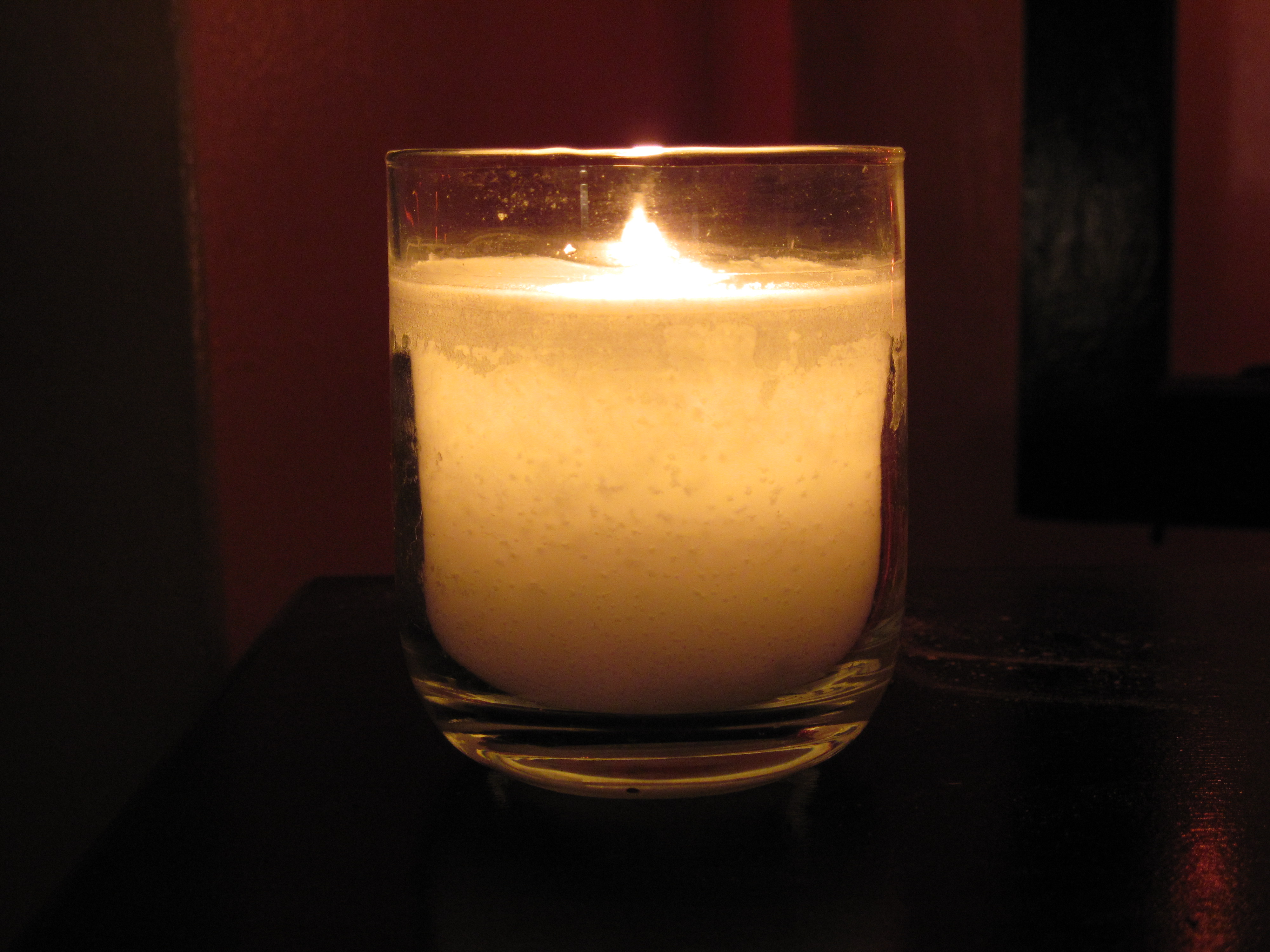
- Candles should be kept away from your tree and any flammable decorations and should be extinguished before leaving a room. Candles are also a major cause of household fires during the holidays.
- When starting a fire in your wood stove or fireplace, use hardwood logs cut the season before. Do not toss wrapping paper or branches from your Christmas tree into the flames because flash fires can result. Chimneys and wood stoves should be inspected annually for creosote and cleaned regularly. Stockings should not be hung from your fireplace mantle in the path of sparks and flames. Home heating equipment, such as wood stoves, space heaters and fireplaces, cause nearly one-third of all home fires according to the U.S. Consumer Product Safety Commission.
- Inspect your lights before they go up to make sure they’re in good condition. Don’t plug too many into the same electrical circuit or overload extension cords. You should use no more than three light sets per extension cord. Unplug all lights when you leave the house and before going to bed.
- Make sure everyone knows all of your home’s exits and you have a designated outdoor meeting place to regroup. If a fire does start in your home, stay as low as possible while heading for an exit to reduce your chance of smoke inhalation. If you do catch on fire, stop, drop and roll.
We wish a wonderful and safe Holiday Season.
Merry Christmas!
– S.O.
POB Agency
 The Patrick O'Brien Agency